• Home
  • Contact
  • Open Macrobiotics
    • IDx Diagnosis®
    • Universal Full Spectrum Macrobiotic Approach
    • Vagen (not Vegan)
    • How To Be Safe on a Vegan Diet (not Vagen)
    • What is Macrobiotics
    • Macrobiotic Diet
  • Education
    • Blog
    • Online Events
    • Calendar of Events >
      • Dubai
      • New York City
      • Chicago
      • New Jersey
      • Connecticut
      • Massachusetts
      • Long Island
    • Diagnosis+Nutrition Health Coach Training Program 21 classes
    • Graduates
    • Audio Training Program 11 classes
    • Bonus Bundle Training Program
    • Diagnosis & Traditional Foods Video
    • Resources
  • Services
    • Health Consultations
    • Energy Healing
    • Menu Planning
  • Store
    • Health Products
  • About
    • Expertise
    • Testimonials
    • News+Events
    • Media Room
  • Galleries
    • Cuba 2015
    • Gardening
JOHN KOZINSKI MEA, FSMA
Connect:

Exercise Steps: Harmonizing Fire and Water

8/11/2019

0 Comments

 
Picture
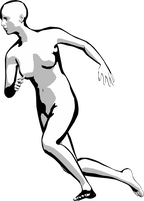
To practice this exercise:
 
1. Stand with your knees slightly bent with your feet waist width apart.
2. Have your hands facing palms up just under the navel just an inch or two from the body.
3. Breathe in and raise your arms with your palms up to the center of the chest.
4. Breathe out and lower your hands to below the navel.
 
Repeat this exercise for 20-40 repetitions. You can build up to doing it for 10 minutes. Make your breath as comfortably long and slow as possible. The Harmonizing Fire and Water exercise is either calming or energizing depending on your needs.
 
Qigong (pronounced chee gung) has many different exercises and sets that balance the body by opening tissues and tendons to increase the flow of energy, blood, and nourishment to your organs.
 
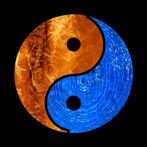
Harmonizing Fire and Water is a special practice with variations that is common to many of styles of Qigong. The term refers to two major energy centers in the body in Chinese thought. The Water center is the area around the abdomen. The image of water refers to quality that is imparted to the body and mind when this area is stimulated: quietude, peacefulness and conservation of energy. In modern biology, these are the functions of the parasympathetic nervous system.
 
The Fire center in Chinese medicine and Qigong teachings is located in the chest. The image of fire relates to how stimulating this center activates the body to become more energized, using up energy and nutrients to fuel the functions of the body and mind. In modern biology, this refers to the sympathetic nervous system.
 
If one of these areas or parts of the nervous system is overactive we don't feel well. The sympathetic nervous system is over active when we are in the stress mode. If the Water or parasympathetic nervous system is too strong, we feel sluggish.
0 Comments

Moving Your Body, Atrophy and Aging

7/31/2019

0 Comments

 
Picture
The worse advice that is given as we get older except for cases of temporary exhaustion or an accident is to slow down.  This path leads to decrepitude and is deadly.

Part of the traditional myth of aging is that we should decrease our physical activity as we get older. This folk wisdom is wrong. If we follow this path, it leads to the very loss of wellbeing that we desire.

A better motto than take it easy is function maintains structure or as it is expressed popularly “use it or lose it”.  This advice is correct, anatomically, physiologically and neurologically.  If the bones do not sustain weight regularly, they soften and weaken. If muscles are not used regularly in challenging and skilled tasks, they become weaker and less responsive. If the brains cells are not systematically involved in a variety of voluntary tasks such as learning new things, they deteriorate.

Gradually, a lack of use of the body and mind create a softening, weakening and deterioration of our resources not because of age but because of a lack of use.

Part of the reason for the lack of desire to move your body, besides the myth mentioned above is: poor diet, unaddressed toxicity from the environment, bad lifestyle practices, inadequate sleep, too much alcohol, smoking and a lack of nutritional and herbal supplementation to make up for nutritional deficiencies that occur in aging. The end result leads people to not want to move as much as when they were younger.

The irony of this is that we need to move about, do exercises and skilled movements more often as we age, not less. Moving our bodies to increase circulation to the organs and to strengthen the structures of the body is needed more than when we are younger. Those people who don’t believe in doing exercise or sports because they could maintain their body without it when they were young are missing out. Because of our highly sedentary modern lifestyles everyone should be exercising from a young age and continue to do this our entire lives.

With proper diet, supplements, good lifestyle practices and exercise, the act of growing, maturing, and settling down to life as an act of decay is not necessary to be our fate. I was at a play with a lot of people in their 60’s, my age, the other night. Sadly, very few looked and moved in a way that showed vibrant health.

Another myth is that you can’t teach an old dog new tricks. Learning can be beneficial as a lifelong activity.  The brain is also involved in use it or lose it. Learning is different as we age. There is an incredible amount of research that shows how diet and supplements can improve our brain as we age.  Research has shown that people can learn absolutely new things into advanced age as long as we exercise that muscle in-between our ears.

Although moving is better than not moving, choosing the right kinds of exercises for the body and mind are important. Generally, we need exercises that energize the body and open up tissues and channels such as qigong, yoga, Hannah Somatics, and exercises that are moderately aerobic such as walking, jogging or jumping rope, exercises done weekly that strengthen the bones and muscles such as bodyweight training, Pilates and exercises that teach skilled movements such as dancing and martial arts.
​
The Way of Qigong by Kenneth Cohen. This is an excellent introduction. Qigong is best learned in person. The quality of instruction varies. I teach a monthly class in NYC and give private lessons gigong/somatic

Somatics: Reawakening the Mind's Control of Movement, Flexibility, and Health by Thomas Hanna

Pushing the Limits! Total Body Strength with No Equipment by Al Kavadlo- an excellent introduction to bodyweight training for men and women. I suggest this approach over weight machines as weight machines isolate muscles.

0 Comments

​4 Foundations of Health:  #4 Mental Attitude

5/14/2019

0 Comments

 
Picture
When people in the modern world think of a healthy mental attitude, it appears to be equated with a positive mental attitude.  In traditional macrobiotic teachings from the ancient eastern and western tradition, a healthy mental attitude was seen as something quite different.

In oriental medicine, especially from ancient China, one definition of a healthy mental attitude is when the seven emotions - joy, anger, grief, fear, fright and melancholy are appropriate to the stimuli. Another way of saying this is, are the emotional reactions you have appropriate to the situation. Every natural emotion has a circumstance that is natural.

For example, anger is protective against real danger to oneself or another.  Joy is expressed when something in our lives creates happiness. Grief is a natural response to loss and fear is a response to danger. From a holistic view, body imbalances especially in disrupted brain chemicals can create emotional reactions that are either inappropriate or over reactions to circumstances.

The first step in understanding and creating a healthy mental attitude is to find out if your diet or lifestyle is disrupting your brain chemicals and the energetic balance in the body and mind. I address the issue of correcting energetic and brain chemical imbalances in classes, my training programs, audios, videos, lectures and in consultations I give to people.

It is important to address these imbalances because excessive thinking and emotions cause a great loss of life energy and inner strength, the essence of the body. An importance principle to understand which runs counter to modern habits is that it is unhealthy to excessively express one’s emotions. This is why in ancient Chinese Taoist thought the emotions are called the 7 thieves.

On the other hand, experiencing emotions in a balanced way is a natural part of life according to the right circumstances. All the emotions when experienced normally can be seen as part of the purpose of life, to learn and grow our consciousness.

The stoics from ancient Greece and Rome were keepers of macrobiotic longevity philosophical teachings in the west in famous writings from Seneca and Marcus Aurelius. The Stoics emphasize balance in one’s approach to life which is epitomized by the phrases, the ego is the enemy and the obstacle is the way.  Taoist longevity teachings and the Stoics both emphasize a certain kind of philosophical approach to life so as to continue on harmoniously in one’s life through difficulties.

Another part of macrobiotic teachings concerning a healthy mental attitude that were taught in eastern philosophies and by the ancient Stoics was that our perspective on our life circumstances makes a difference in how these events affect us mentally and physically.

In the east, it was explained that all events are perceived through the mind and are not ultimately real. Part of a healthy mental attitude is to realize that circumstances and events are fleeting. Both the Stoics and the eastern philosophers taught and believed that only the present exists, the rest exists in the mind.

The Stoics seem to take a mental approach of remembering that this is reality. Eastern approaches took both a mental approach of reminding one that this is true and a physical approach of various meditation and body practices in Yoga and Chi Gong (Qi Gong) to help oneself be grounded in the present.

Meditation and body practices help people to let go of the past and stop thinking of the future. The Stoics did this through study and journaling. Many people are critical of this idea because they interpret it as forgetting about the mistakes of the past It does not mean that we shouldn’t reflect on the past to learn about our mistakes or to think of the future for planning. It relates more to thinking and emotional attachments that cause us to lose vast qualities of energy.

Both the Stoics and eastern macrobiotic teachers of Taoism and Buddhism believed that the spirit or soul in the western view, is untouchable by self-generated internal  thinking and emotional reactions or external circumstances or events. Meditational practices from Yoga and Chi Gong are designed to connect us to something greater than ourselves so that we can experience this untouchability. Western practices that are meditational usually involve prayer.

Keepers of the philosophical longevity traditions have a certain acceptance of natural life circumstances as part of a healthy attitude. Aging, pain, pleasure, obstacles, difficulties and death are all inevitable parts of living. If we take these things as a personal affront, and run after pleasure at all costs, we paradoxically burn out our internal energy and create disease.
​
From the longevity view of east and west, a healthy mental attitude is balanced. Emotional reactions to circumstances, being able to change, alter or let go of negative perspectives, grounding ourselves in the present, and accepting the challenges and obstacles of life, we can be in touch with that part of us, the spirit or soul that is never harmed by internal or external experiences. 

0 Comments
<<Previous
Forward>>
    Picture
    Picture

    Author: 
    John Kozinski

    Health Educator, Counselor, Pioneer and practitioner of macrobiotics for almost 40 years, John Kozinski has devoted his career to helping people achieve and maintain optimal health.

    Popular Title:
    Living Macrobiotics: the future of education  
    click on Jan. 2015 category directly below


    Archives

    September 2020
    July 2020
    March 2020
    February 2020
    January 2020
    December 2019
    November 2019
    October 2019
    September 2019
    August 2019
    July 2019
    June 2019
    May 2019
    April 2019
    March 2019
    February 2019
    January 2019
    December 2018
    November 2018
    October 2018
    September 2018
    August 2018
    July 2018
    June 2018
    May 2018
    April 2018
    March 2018
    February 2018
    December 2017
    April 2016
    January 2016
    December 2015
    November 2015
    June 2015
    May 2015
    April 2015
    January 2015
    October 2014
    March 2014
    February 2014
    January 2014

    Categories

    All
    AIDS
    Cancer
    Candidiasis
    Chronic Fatigue
    Colitis
    Degenerative Disease
    Energy
    Food
    Heart Disease
    Immune System
    Infectious Diseases
    Ki Acupressure
    Macrobiotic Lifestyle
    Macrobiotics
    Mental Health
    Natural Health
    Qigong
    Radiation
    Shamanism
    Shiatsu
    Sustainability

    RSS Feed


Want to learn more? 

John Kozinski
​Jeanette Thomas

Nashville, TN
[email protected]
Office: 413-464-2990

Copyright 2025 All Rights Reserved
Need help finding something?  Search here:
The information and educational material on this entire website is based on the opinions, research, and experience of John Kozinski unless otherwise noted. It is not medical advice. John Kozinski recommends you do your own research and consult with qualified health care professionals.
Photos from TheJokersTrick, h.koppdelaney, jon.brinn352, Eddi van W., peddhapati, verchmarco (CC BY 2.0), mayrpamintuan, katerha, marcoverch, John Donges, bobo615, kenteegardin, JoanDragonfly, shannonkringen, djuggler, LeonardoDaQuirm, foodswings, John Brighenti, Rod Waddington, Patrick Feller, Meldarion, Gabe Kronisch, verchmarco